
Addressing Emergency Tree Situations

When a tree suddenly falls or becomes dangerously unstable, it can create a serious hazard for your property and safety. Knowing how to respond quickly and effectively to tree removal emergencies is essential. This guide will walk you through the key steps to take, how to identify urgent situations, and when to call in professional help.
Understanding Tree Removal Emergencies
Tree removal emergencies happen when a tree poses an immediate risk to people, buildings, vehicles, or power lines. Common causes include storms, high winds, heavy snow, or disease weakening the tree structure. Recognizing the signs early can prevent accidents and costly damage.
Some typical indicators of a tree emergency include:
Large branches hanging precariously over your home or driveway
Cracks or splits in the trunk or major limbs
Leaning trees that have shifted suddenly
Uprooted or partially uprooted trees
Trees touching or threatening power lines
If you notice any of these signs, it is important to act quickly. Delaying can increase the risk of injury or property damage.
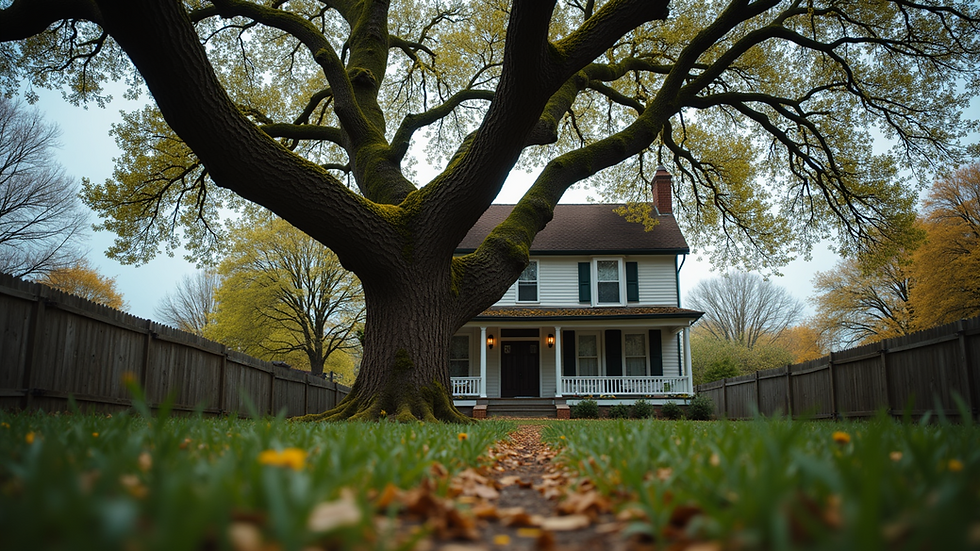
How to Handle Tree Removal Emergencies Safely
Safety is the top priority when dealing with tree removal emergencies. Here are practical steps to follow:
Assess the Situation From a Distance
Do not approach the tree if it looks unstable. Observe from a safe distance to determine the severity of the hazard.
Clear the Area
Keep people and pets away from the danger zone. If the tree is near a road or driveway, consider blocking access temporarily.
Avoid DIY Removal
Emergency tree removal requires specialized equipment and expertise. Attempting to remove a hazardous tree yourself can lead to serious injury.
Contact Professionals Immediately
Reach out to a certified tree service that offers emergency response. They have the tools and training to handle the situation safely and efficiently.
Document the Damage
Take photos of the tree and any damage for insurance purposes. This can help with claims and repairs later.
By following these steps, you can minimize risks and ensure the problem is resolved quickly.
When to Call for Professional Help
Not every fallen branch or leaning tree requires emergency intervention. However, certain situations demand immediate professional attention:
Trees that have fallen on power lines or are entangled with them
Trees blocking roads or emergency access routes
Trees threatening to collapse on homes, garages, or vehicles
Large trees uprooted or partially uprooted after storms
Trees with visible cracks or splits that could fail at any moment
In these cases, contacting a professional tree removal service is critical. They can perform a safe assessment and provide emergency tree removal to prevent further damage.

Preventing Tree Emergencies Before They Happen
While some emergencies are unavoidable, many can be prevented with regular tree care and maintenance. Here are some tips to reduce the risk:
Regular Inspections
Have a certified arborist inspect your trees annually to identify signs of disease, decay, or structural weakness.
Proper Pruning
Remove dead or weak branches before they become hazards. Pruning also helps maintain tree health and stability.
Soil and Root Care
Avoid damaging roots during construction or landscaping. Healthy roots anchor trees firmly.
Storm Preparation
Before severe weather, check for vulnerable trees and limbs. Remove or reinforce as needed.
Prompt Removal of Hazardous Trees
If a tree is dead, dying, or severely damaged, arrange for its removal before it becomes an emergency.
Taking these proactive steps can save you time, money, and stress in the long run.
What to Expect During Emergency Tree Removal
When you hire professionals for emergency tree removal, the process typically includes:
Initial Assessment
Experts evaluate the tree’s condition and the surrounding area to plan the safest removal method.
Securing the Site
The crew will set up barriers and safety zones to protect people and property.
Careful Removal
Using chainsaws, cranes, and rigging equipment, the team will dismantle the tree piece by piece.
Cleanup
Debris is removed, and the site is left safe and tidy.
Post-Removal Advice
Professionals may recommend follow-up care or replacement planting.
Emergency tree removal is a complex task that requires skill and experience. Trusting qualified experts ensures the job is done right.
By understanding how to identify and respond to tree removal emergencies, you can protect your home and loved ones from unexpected dangers. Remember, safety first - and when in doubt, call the professionals. Regular tree care and timely action are your best defenses against hazardous tree situations.


Comments